A Full Evening or a Short Stop in Tân Bình?
Plan a full evening or a short stop in Tân Bình by matching confirmed venue options to your schedule, transport, and preferred casino-style entertainment.

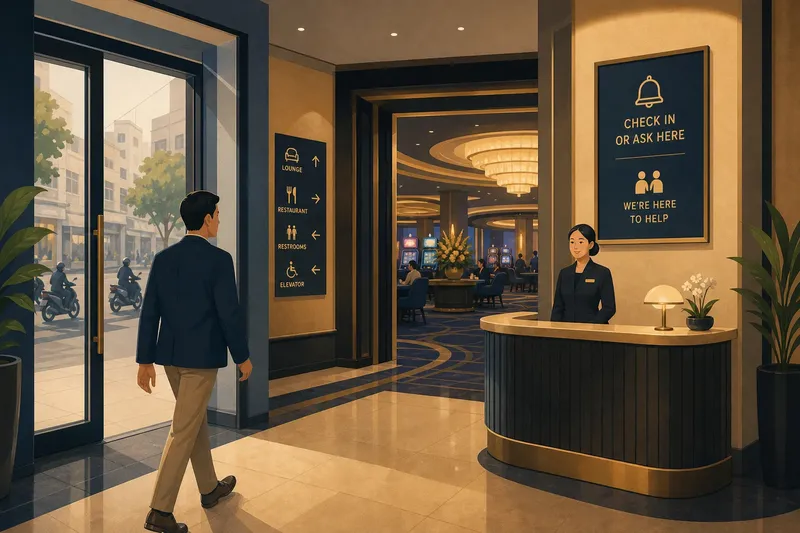
At a Tân Bình café, one friend has dinner plans while another has a later appointment across town. They are weighing a casino-style venue as either the evening’s destination or a brief stop along the way. A full evening or short stop works best when the group decides what it wants from the visit before choosing the format.
The distinction is not simply how long to stay. A full evening needs an activity that can hold the group’s attention; a short stop needs one confirmed reason to go and a clear departure plan. In either case, the venue’s current information matters more than an appealing listing saved from an earlier visit.
What gives a full evening its shape?
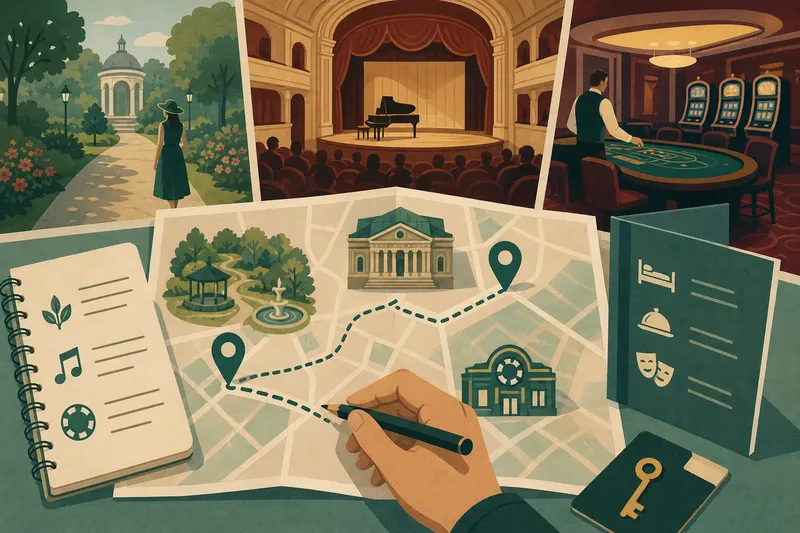
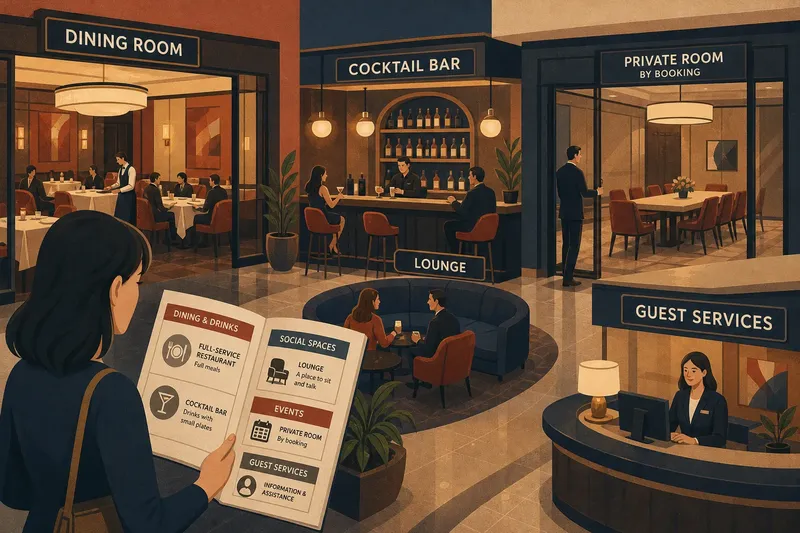
Pick one main activity: perhaps a meal, a listed performance, or time in a lounge. Check the venue’s own current channels for hours, schedules, entry conditions, and available amenities. Casino-style offerings differ between venues, and availability can change.
Leave the rest of the evening open enough to accommodate the activity without creating a chain of rushed plans. If gaming interests some visitors, keep it optional and check the applicable access conditions separately. The outing should still make sense for anyone who chooses not to participate.
When does a short stop make more sense?
A short stop suits a narrow window or a visit centered on one confirmed option. Agree on what the group is going for, when it needs to leave, and what happens next. If the venue cannot confirm the relevant amenity or access details, choose a different purpose or another place.
Keep the sequence plain: arrive, take part in the chosen activity, then leave for the next destination. A short stop becomes awkward when it is expected to contain everything that would make a full evening worthwhile. Check the onward route as well as the journey there, especially if the group will split up.
Which practical details should decide the plan?
- Available time: Check when each person must leave. If the group has enough room for a meal or event without rushing, consider a full evening; if not, choose one short-stop activity or another venue.
- Confirmed amenities: Check the venue’s current listing for the specific lounge, dining option, or entertainment. If it confirms the activity, use it to shape the visit; if it does not, select a confirmed option or change venues.
- Event timing: Check the schedule for the intended date. If the event fits the group’s arrival and departure plans, build around it; if not, skip the event or choose another date.
- Entry conditions: Check the current entry rules for everyone attending. If each person can meet them, proceed; if anyone is unsure, ask the venue or choose a different outing.
- Transport: Check each person’s route to the venue and onward destination. If the routes work, agree on a meeting point; if they do not, choose a more convenient place or arrange another way to travel.
- Spending comfort: Ask what each person is comfortable spending on transport, food, and optional activities. If the plan fits those limits, keep it; if not, choose a lower-commitment activity or make separate plans.
- Different preferences: Ask whether everyone wants the same activity. If they do, plan around it; if not, choose a confirmed option the group can share or agree on a departure point and time.
How can you compare the two formats?
Choose a full evening when a confirmed activity merits the time and the group can stay without rushing. Choose a short stop when one amenity is the point and a later commitment fixes the departure. If neither arrangement fits the venue’s current information, change the date or destination rather than improvising at the entrance.
Say three visitors have a free evening, and the venue confirms dinner and a performance for their chosen date. They agree to meet for dinner, then compare the performance schedule with one visitor’s fixed ride home. Since the timing leaves that person unable to stay comfortably, they decide to have dinner and skip the performance. One visitor is curious about gaming, so the group checks those access conditions separately; if they do not suit, dinner remains the shared plan. The concrete tradeoff is a simpler evening rather than a late, divided departure.
What do visitors ask about a Tân Bình casino-style visit?
Can you visit without taking part in gaming?
Some venues offer dining, lounges, or entertainment, but amenities and access conditions vary. Check the venue’s current information and choose an activity that does not require gaming.
What should you confirm before a short stop?
Confirm the specific amenity, its availability during your visit, and any entry conditions. If those details are unclear, contact the venue or choose a plan that does not depend on them.
How can a group handle different schedules?
Set a clear meeting time and decide where people will part ways if their plans differ. Check transport for each departure; if someone cannot leave comfortably, change the timing or choose another venue.
What if someone is uncertain about gaming?
Keep gaming optional and do not pressure anyone to participate. They can choose another confirmed amenity or skip the visit; a qualified professional can advise on personal concerns about gambling.
What should you settle before leaving?
Write down the venue, the confirmed activity, the meeting point, and how each person will get home or continue elsewhere. For a full evening, include the event time if one is planned. For a short stop, note the next destination and departure plan.
For leisure time in Tân Bình, match the plan to the activity that is actually confirmed and the time the group can comfortably give it. Keep one fallback that does not depend on a changing schedule, such as meeting for dinner elsewhere; it gives the evening a workable shape if the original plan slips.